menu
Trending Products
Platinum Six-Syllable Mantra Yellow Jambhala Pendant Platinum Six-Syllable Mantra Yellow Jambhala Pendant
Platinum Six-Syllable Mantra Yellow Jambhala Pendant
$4,000.00
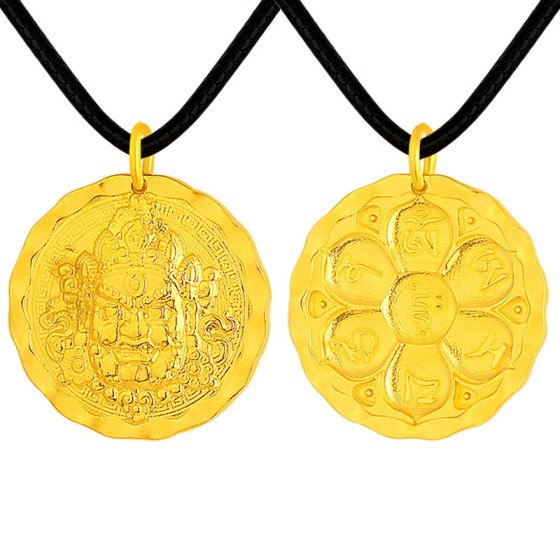
Gold Six-Syllable Mantra Yellow Jambhala Pendant Gold Six-Syllable Mantra Yellow Jambhala Pendant
Gold Six-Syllable Mantra Yellow Jambhala Pendant
$3,571.00
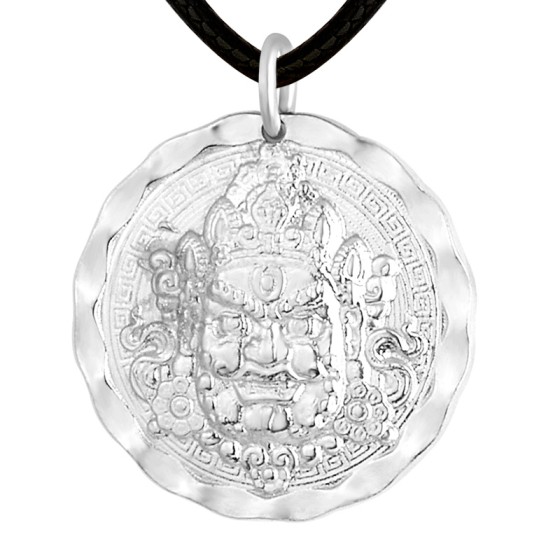
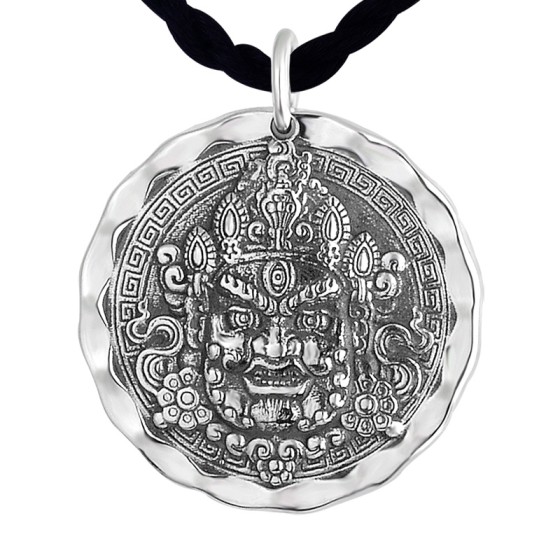
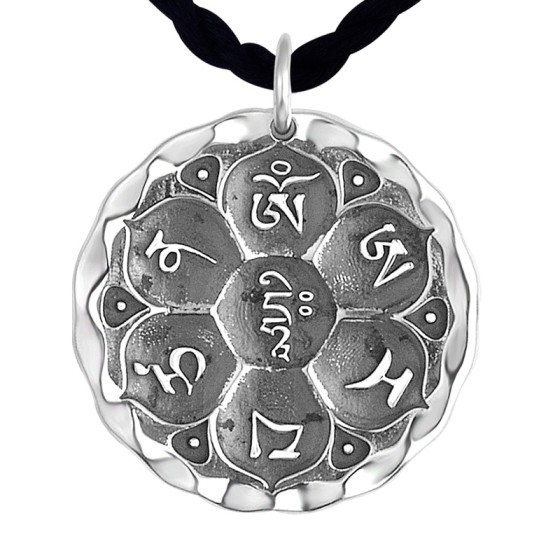
925 Silver Six-Syllable Mantra Vaishravana Pendant 925 Silver Six-Syllable Mantra Vaishravana Pendant
925 Silver Six-Syllable Mantra Vaishravana Pendant
$299.00 $312,312.00
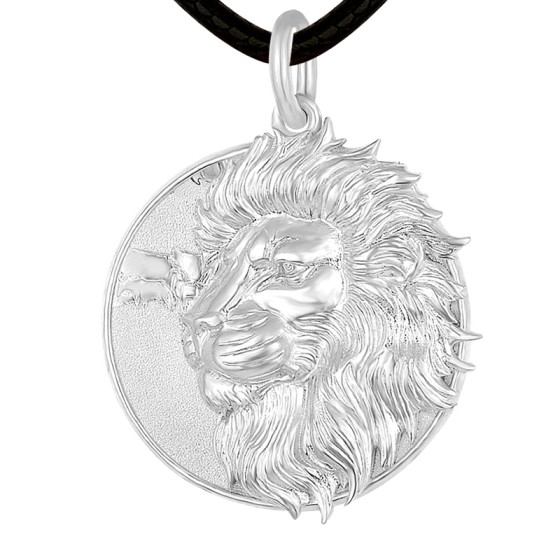
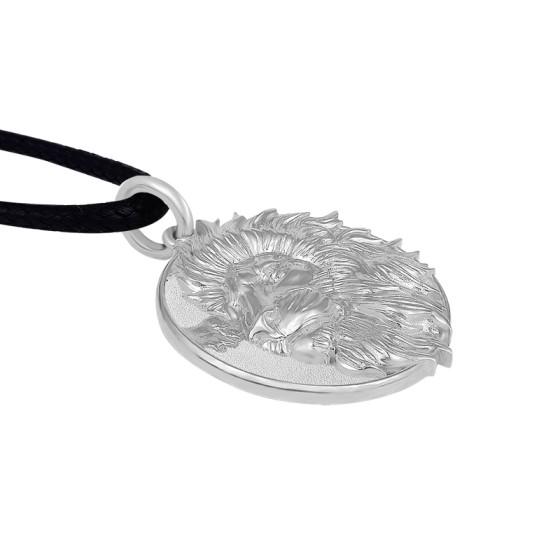
Pt950 Platinum Lion Guardian Pendant Pt950 Platinum Lion Guardian Pendant
Pt950 Platinum Lion Guardian Pendant
$3,714.00
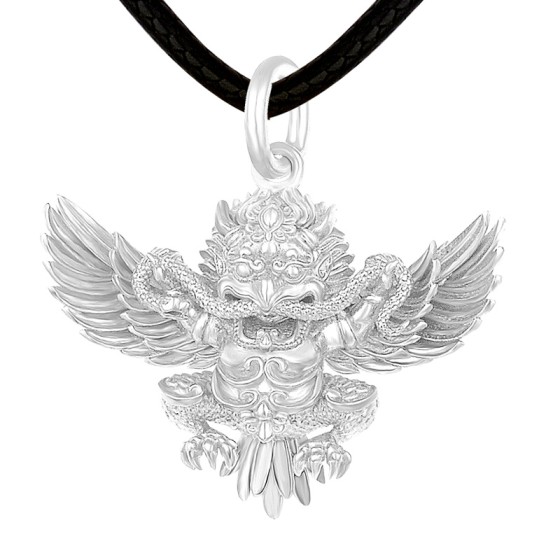
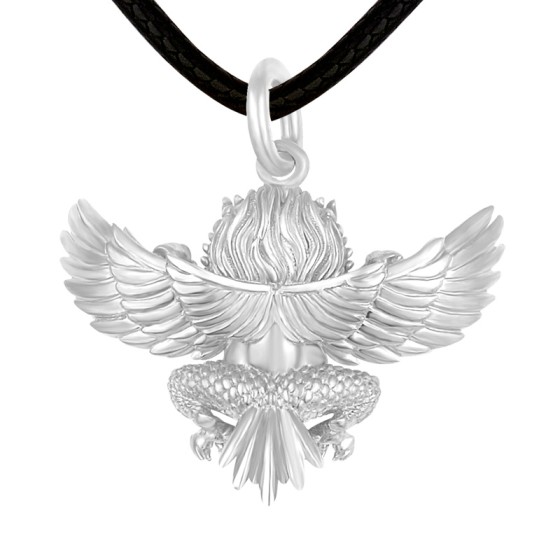
Pt950 Platinum Garuda Divine Bird Pendant Pt950 Platinum Garuda Divine Bird Pendant
Pt950 Platinum Garuda Divine Bird Pendant
$4,000.00
Latest Articles

Certificat d'Authenticité Le présent certificat atteste que tous les métaux, diamants et pierres précieuses de votre bijou acheté sur www.talisman.jewelry ont été livrés conformément aux spécifications de la proposition d'article. Spécifications des MatériauxLa mention "conformément aux spécifications" ci-dessus signifie : Métaux : Votre bijou est poinçonné avec des marques indiquant le type de métal, sa pureté minimale et notre marque de fabrique. Par exemple, un poinçon "14K" indique un alliage d'or composé d'au moins 14 parts d'or pour 10 parts d'autres métaux. Diamants & Pierres avec certificat : Pour les diamants et pierres précieuses vendus avec un certificat (émis par exemple par le GIA, l'AGL), nous garantissons que la pierre que vous avez reçue est celle spécifiée dans le certificat et qu'elle présente les caractéristiques qui y sont décrites, selon le meilleur jugement de l'organisme émetteur. Diamants & Pierres sans certificat : Pour les diamants et pierres précieuses vendus sans certificat, ce certificat atteste que nous avons livré la pierre selon son type (ex. Diamant, Saphir, Émeraude) et avons indiqué si elle est naturelle ou créée en laboratoire. Les caractéristiques de gradation plus spécifiques (ex. AAA, AA) pour les pierres non certifiées ne sont pas couvertes par ce certificat. Conditions de RemplacementSi votre article n'a pas été livré conformément aux conditions ci-dessus, nous le remplacerons, à votre demande, par un article conforme ou supérieur aux caractéristiques promises. Alternativement, www.talisman.jewelry se réserve le droit de demander le retour de l'article en échange d'un remboursement du prix d'achat initial. Déposer une RéclamationSi vous déposez une réclamation en vertu de cette politique, vous devez nous autoriser à : Inspecter le bijou et toute évaluation sur laquelle vous basez votre réclamation. Faire inspecter le bijou par un laboratoire indépendant, incluant le retrait temporaire de tout diamant ou pierre de leur monture si nécessaire pour l'examen. Conditions de GarantieCe certificat est soumis aux conditions suivantes : Il ne couvre pas les caractéristiques de design ou de finition ; il se rapporte uniquement à la représentation authentique des métaux, diamants et pierres précieuses. Le ternissement des métaux et les réactions cutanées aux métaux ne sont pas une preuve de matériau non authentique. Les métaux précieux utilisés en joaillerie sont susceptibles de se ternir en raison de l'exposition aux produits chimiques, au chlore, à la peau ou à l'air. Certaines personnes peuvent développer des résidus verts au contact de l'argent sterling ou avoir une réaction allergique au nickel présent dans les alliages d'or blanc standard. L'état de tout diamant ou pierre précieuse sera déterminé en utilisant les techniques gemmologiques standard employées au moment de l'achat, incluant une inspection à un grossissement n'excédant pas 10x. Ce certificat se réfère à l'authenticité de l'article au moment de son expédition et exclut les dommages survenant après la date d'expédition. La précision des mesures pour tout diamant et pierre précieuse est déterminée avec une tolérance de +/- 0,05 mm et +/- 0,05 carats. Ce certificat s'applique au premier acheteur du bijou et l'accompagne tout au long de sa vie. Ce certificat n'est valable que pour les bijoux fabriqués par www.talisman.jewelry et achetés directement sur le site web www.talisman.jewelry. Pour toute question, veuillez contacter notre service client à info@talisman.jewelry.Dernière mise à jour : 10 octobre 2025

2025-10-14 05:48:43

Talisman Jewelry - Promesse de Satisfaction pour les Bijoux Sur Mesure Votre Satisfaction, Notre Promesse. Derrière chaque pièce de bijouterie sur mesure – qu'il s'agisse d'un talisman porteur de sens ou du bijou haut de gamme dont vous rêvez – se cache votre histoire unique et vos attentes. Nous savons que « presque parfait » est insuffisant. C'est pourquoi nous nous engageons solennellement : si vous n'êtes pas satisfait de votre bijou personnalisé, nous le modifierons ou le refabriquerons gratuitement jusqu'à ce que vous soyez entièrement satisfait. Un Engagement Sincère et FermeCe n'est pas qu'un slogan, mais la conviction fondamentale de notre service. Nous souhaitons sincèrement que vous possédiez un bijou qui vous touche vraiment le cœur. Si quelque chose ne vous convient pas, veuillez nous en informer – nous écoutons chaque détail et mettons tout en œuvre pour apporter les ajustements appropriés. Il n'y a pas de clauses cachées ni de restrictions. Maintenez simplement la communication avec nous comme durant le processus de conception, et nous vous apporterons toujours notre soutien et notre aide. Retour et Échange Sans SouciPour protéger vos droits, nous fournissons des étiquettes de retour prépayées et assurées, facilitant le renvoi du bijou pour les révisions ou refabrications nécessaires. Le processus entier n'engendre aucun frais supplémentaire pour vous. Vous n'avez qu'à attendre sereinement pendant que nous vous livrons rapidement votre pièce idéale. Politique de Prix Juste et TransparenteLes modifications n'affectant pas le prix de la commande initiale seront traitées entièrement gratuitement. Si vous demandez des ajouts comme des diamants ou d'autres changements augmentant le coût, nous ne facturerons que la différence de prix correspondante et la confirmerons avec vous à l'avance. Veuillez Nous Faire Part de Vos Retours Sous 30 JoursNous recommandons de soumettre toute demande de modification dans les 30 jours suivant la réception du bijou. Nous savons que votre temps est précieux et nous traiterons votre demande en priorité pour perfectionner votre bijou personnalisé au plus vite. C'est un honneur pour nous de participer aux moments importants de votre vie. Merci d'avoir choisi Talisman Jewelry. Créons ensemble un bijou exclusif qui scintille non seulement à vos doigts mais aussi touche votre âme. Si vous avez des questions ou besoin d'aide, n'hésitez pas à nous contacter. Nous sommes là uniquement pour concrétiser la pièce unique que vous envisagez. Site Web Officiel : www.talisman.jewelryE-mail du Service Client : info@talisman.jewelryDernière Mise à Jour : 10 octobre 2025

2025-10-14 02:45:49

When choosing diamonds, we often focus on the "4C" standards: Carat weight, Color, Cut, and Clarity. However, when it comes to Clarity, many consumers are confused by rating labels and mistakenly believe that diamonds of the same grade have almost no visual difference. The fact is far from that. This article will take you deep into the complex world behind clarity ratings, revealing why the quality and value of diamonds may vary greatly under the same GIA clarity level, and providing you with smart strategies for selecting "beautiful diamonds" within your budget. Same cleanliness level, but vastly different quality The following three diamonds all have identical GIA 4C ratings: Cutting: Excellent Color: J Clarity: SI2 Carat weight: 1.0-1.1 carats These diamonds are not rare exceptions, but are extremely common inventory choices in the market that can be easily provided by any large online diamond retailer. They represent typical diamonds that most consumers will encounter in the SI2 clarity level. However, despite having the same rating, there are significant differences in their actual quality, visual aesthetics, and price. We have recorded the key features of each diamond that were not reflected in the SI2 rating. Please observe carefully, you will find: The lowest quality choice: almost worthless, even if the price is low, it is a bad investment. The impact of inclusions varies greatly: within the same GIA clarity level, the influence of inclusions on the appearance of diamonds may vary greatly. Features not covered by the rating, such as "milkiness" or slight color tones, are not considered in the clarity rating but seriously affect the visual effect. The potential of high-quality SI2: A top-notch SI2 diamond may have a better appearance than many VS1 diamonds. Key takeaway: GIA clarity rating is a range, not an accurate visual quality assurance. It tells you the size, quantity, and location of the contents, but cannot fully convey its actual impact on the overall aesthetic. Crossing clarity levels, searching for "eye clean" diamonds Now, let's change our perspective. Assuming you are pursuing "eye clean" - diamonds whose contents cannot be seen with the naked eye at normal wearing distances. The following three diamonds, also from our supplier's regular inventory, have the same cut, color, and carat weight: Cutting: Excellent Color: F Carat weight: 1.01-1.02 carats But their cleanliness levels are SI1, VS1, and VVS1, respectively. According to traditional views, these three diamonds should have significant differences under a magnifying glass. However, our observation is that they are all "eye clean" and look very similar when set into rings. Even with the help of the content distribution map provided by GIA, it is difficult for untrained eyes to distinguish the visual differences between them under high magnification. Conclusion: For consumers who pursue the beauty of daily wear, many diamonds between SI1 and VVS1 can meet the standard of "clean eyes". You don't have to pay a multiple premium for a small increase in cleanliness. Two strategies for obtaining beautiful diamonds Faced with the complexity of the diamond market, we have summarized two mainstream choices: Option 1: Pursuing 'Absolute Safety' Purchase a top-quality diamond: GIA certified round bright cut, color grade D-F (colorless), clarity VVS or above, and excellent cutting quality. This type of diamond: Impeccable appearance: To everyone, it is shiny, colorless, and almost perfect. High cost: You paid a high premium for 'zero risk', which may mean sacrificing carat weight or exceeding budget. This is a 'no mistake' option, but the cost is extremely high. Option 2: Smart selection, maximizing value Gain a deeper understanding of diamonds and find a diamond that is both beautiful and cost-effective. We can see such good diamonds every day: Some SI grade diamonds are cleaner to the naked eye than others. Specific types of inclusions (such as white spots, feather patterns) may be almost invisible. If the position of the contents is cleverly hidden (such as near the waist), it has minimal impact on the frontal visual perception. Some cuts (such as emerald shaped and ascout shaped) are more difficult to conceal the contents due to their larger tabletop, and require more careful selection. The value of experts lies in this - they can help you weigh the pros and cons and select a 'stunning' diamond within a reasonable budget. Our recommendation: Choose option two. Diamonds are indeed expensive, and we hope that customers can confidently consume and spend their money on features that truly affect their beauty, rather than paying for superficial fame. Conclusion: Beware of market traps and be smart buyers There are "good diamonds" and "bad diamonds" in the market. Many jewelers must sell their inventory after purchasing it. The more difficult it is to sell, the more likely they are to "aggressively promote" and guide you to purchase diamonds that are not the best choice. True wisdom does not lie in blindly pursuing the highest score, but in understanding the truth behind scores. Through professional knowledge and meticulous screening, you can easily find a clean and dazzling diamond at the SI1 or even SI2 level, achieving a perfect balance between beauty and value. Our original intention in establishing the brand was to provide guidance and professional support to help you confidently purchase, not only to obtain a great diamond, but also to gain a great shopping experience.

2025-08-17 01:35:39

Diamond cutting: why is it the most important factor in the "4C"? When choosing diamonds, we often emphasize to our customers that cutting is the most important criterion in the "4C". It determines how much brilliance a diamond can shine, directly affecting its visual beauty and brilliance. For the most popular round brilliant cut diamonds, we strongly recommend that you only consider diamonds that have obtained the GIA "Excellent" cutting grade. This rating is the most reliable guarantee to ensure that diamonds have excellent fire color, brightness, and shimmer. However, even the same level of "excellent" cutting is not completely the same. Some diamonds are more inclined towards brightness, while others have a slight advantage in fiery colors; Some pursue ultimate symmetry and present clear "heart and arrow" patterns. These subtle differences do exist, but their impact is minimal compared to the differences in cutting levels themselves. By choosing a diamond with an "excellent" cut, you have already completed 95% of the work. Leave the remaining 5% to your eyes - observe and compare for yourself, and find the one that moves you the most. As the world's most authoritative diamond appraisal institution, GIA (Gemological Institute of America) has a rigorous and trustworthy rating system. They found through large-scale consumer observation research that there are regional and individual differences in people's preferences for diamonds. But once you enter the category of "excellent" cutting, you are already in the "safe zone" - no matter which one you ultimately choose, you can ensure its brilliance. Cutting rating of laboratory cultivated diamonds It should be noted that GIA currently only provides cut ratings for naturally mined diamonds. For laboratory grown diamonds, we recommend using the "Ideal" cut grade from IGI (International Gemological Institute) as an alternative standard for "excellent" cuts. At the same time, we will strictly review the size and proportion of each laboratory diamond to ensure that its cutting quality meets high standards, providing you with a reassuring choice. Alien Diamond: The 'Grey Zone' of Cut Rating When you look at diamond shapes outside of the circle - such as oval, princess square, pear shaped, horse eye shaped, etc. - the situation becomes complicated. These diamonds are collectively referred to as Fancy Cuts, and GIA currently does not provide an official cut grade. This is not accidental, but a trade-off between science and aesthetics. Circular bright cutting is the pinnacle of optical design, capable of reflecting light to the maximum extent possible, achieving the ideal brightness and fire color. The birth of other shapes is essentially at the cost of sacrificing some optical performance in exchange for a unique aesthetic appearance. For example, a perfect ellipse, if infinitely close to a circle, has the best lighting effect - but then it is no longer an "ellipse". For this reason, GIA has decided not to conduct cut ratings on fancy cut diamonds. Although this decision is reasonable, it poses a challenge for consumers: you must judge the quality of the cut on your own without third-party quantitative standards. Many online retailers list all fancy cut diamonds together, regardless of their cut. This means that you need to identify yourself in the 'cutting minefield'. We do not agree with this shopping method. We insist on manually selecting every fancy cut diamond to ensure that every one that enters your field of vision is rigorously screened and finely cut. You can rest assured to rely on your own aesthetics and focus on your preferences for shape and personality, as we have filtered out 'wrong choices' for you. The Scientific Basis for GIA Circular Bright Diamond Cut Rating It took GIA over ten years to establish the widely recognized circular brilliant diamond cut rating system. This system integrates cutting-edge technology and human perception research, and can be regarded as the crystallization of science and art. 1. Computer optical modeling GIA first uses computer models to analyze 8 key proportional parameters that affect light behavior: Table Size Crown Angle Pavilion Angle Star Length Lower Girdle Facet Length Girdle Thickness Culet Size Total Depth By combining the two process factors of polishing and symmetry, GIA can accurately simulate the reflection, refraction, and leakage of light inside diamonds, and predict their brightness and fire color performance. 2. Large scale human observation research However, scientific models cannot fully capture the 'beauty'. To this end, GIA conducted the largest diamond visual research in history, inviting professionals such as consumers, retailers, and manufacturers to observe and evaluate over 2000 diamonds for more than 70000 times. This study reveals several key conclusions: A "attractive" diamond must be bright, fiery, sparkling, and have a pleasant overall visual experience, especially the contrasting patterns of light and dark areas when viewed from the front. Personal preferences can affect the choice between brightness and fire color, but significant differences in cutting ratios can result in visible quality differences. There is no 'perfect proportion'. Some people prefer extreme brightness, while others appreciate more fiery colors. GIA categorizes cutting into five levels: poor, average, good, very good, and excellent, balancing scientific and aesthetic diversity. Nowadays, GIA combines calibrated optical models with human perception data to comprehensively judge the front appearance, design, and craftsmanship of diamonds, and ultimately determine their cutting grade. The three core visual elements of diamond cutting 1. Brilliance The total amount of white light reflected by diamonds. This is the most important indicator for cutting. A well cut diamond is bright and full of vitality throughout; Diamonds with poor cutting appear dull and dull. The combination of crown and pavilion corners is the key to determining brightness, as they control how light refracts inside the diamond and returns to the observer's eyes. 2. Fire color Refers to the colorful light emitted by diamonds when they move. This is because diamonds act like prisms, decomposing white light into rainbow colored spectra. Fire color adds romance and dreaminess to diamonds, making them visible even in darker environments. 3. Sparkle Flashing is not only the sum of brightness and fire color, but also the visual impact brought by the dynamic contrast of light and dark facets. The human eye is naturally drawn to contrast - when a diamond rotates, certain facets become darker due to occlusion (such as your head), creating a sharp contrast with bright areas and producing a jumping "flash" effect. The dynamic changes in light and shadow are precisely the charm that sets diamonds apart from ordinary reflective objects. Small experiment: Observing a collage of diamond photos, your gaze will unconsciously be attracted by the diamond with strong contrast between light and dark in the bottom right corner. This is the magic of 'flashing'. Design trade-offs behind cutting The goal of a diamond cutter is to maximize the value of the raw stone. But there is an eternal game between cutting quality and carat weight. The price of diamonds increases nonlinearly with the carat number, especially at psychological checkpoints such as 1.00ct, 1.50ct, and 2.00ct where prices soar. Therefore, grinders often prefer to retain carat weight, even at the expense of cutting quality. For example, no one wants to grind a 1.00 carat diamond into 0.99 carats. Sometimes, in order to avoid the inclusions in the original stone, the cutter may adjust the symmetry, resulting in imperfect cutting. Pattern&Weight Ratio is the indicator used to evaluate this trade-off: Is the width of the diamond reasonable? Or is the weight "hidden" in the thick waistband, making it appear smaller when viewed from the front? Are there any structural defects (such as gaps) that affect durability? Comparative example: Two diamonds both weighing 1.01 carats. The left lumbar ridge is thick and deep, with a frontal diameter of only 6mm+; The weight distribution on the right side is reasonable, with a front diameter exceeding 6.5mm, which is visually larger. The latter is better in terms of 'fire' and is a smarter design. Polish and Symmetry polishing The smoothness of the diamond surface is determined by the final polishing process. The GIA rating is as follows: Excellent: No visible polishing marks under 10x magnifying glass Very Good: Extremely difficult to discover Good: difficult to detect Fair: Visible, possibly visible to the naked eye Poor: Visible to the naked eye Suggestion: Choose "good" or above. The visual differences between the top levels are...

2025-08-14 03:16:27
Nginx server needs to configure pseudo-static rules, click View configuration method