



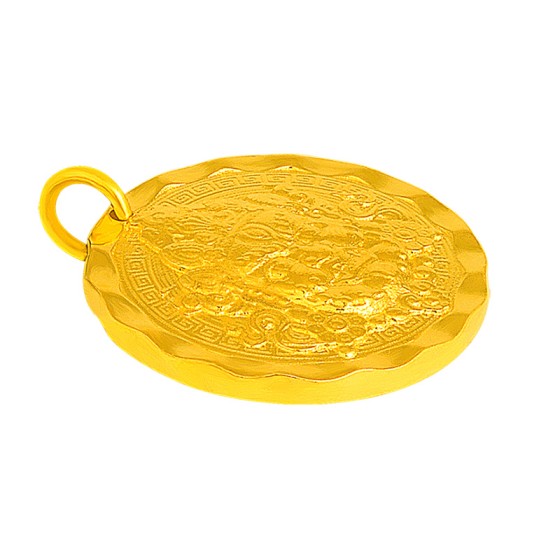
The Eye of Horus
(Core version for international and US audiences.)
The Eye of Horus: A Complete Guide to the Symbol of Protection, Power & Healing
1. Executive Summary: The All-Seeing Talisman
The Eye of Horus (Wedjat or Udjat) is one of the most potent and recognizable symbols from Ancient Egypt. More than a mere emblem, it represents the healed eye of the falcon-headed god Horus, symbolizing royal power, divine protection, vigorous health, and restored wholeness. In sacred adornment, it serves as a timeless amulet to ward off evil, invite insight, and promote physical and spiritual well-being.
2. Etymology and Origins: A Myth of Loss and Restoration
The symbol's power is rooted in the Osiris mythos. After the murder of his father Osiris by Set, the god Horus fought to reclaim the throne. In a brutal battle, Set tore out Horus's left eye, which was later magically restored by the god Thoth.
-
The Two Eyes: The right eye of Horus (associated with the sun, Ra) came to symbolize active, outward power. The left eye (associated with the moon, Thoth) represents healing, intuition, and protection—the most commonly used amulet.
-
Mathematical Precision: The Eye was also a key to Egyptian mathematics. Its parts (½, ¼, ⅛, ⅟₁₆, ⅟₃₂, ⅟₆₄) were used in a system of measurement, linking the symbol to concepts of completeness, sacrifice (the missing ⅟₆₄th was magically filled by Thoth), and divine order.
3. Cross-Cultural Symbology: The Universal "All-Seeing Eye"
The motif of a powerful, protective, or omniscient eye transcends Egypt, appearing in diverse spiritual traditions.
-
The Eye of Providence: Featured on the US dollar bill within a triangle, this Christian-derived symbol represents God's benevolent oversight of humanity.
-
Buddhism: The "Buddha's Eye" or "Wisdom Eye" is often painted on stupas in Nepal, symbolizing the all-seeing, omniscient wisdom of the Buddha.
-
Classical Antiquity: The concept of an "evil eye" and talismans to deflect it (like the Nazar) is prevalent across Mediterranean and Middle Eastern cultures, sharing the Eye of Horus's core protective function.
4. Psychological Perspective: The Inner Eye of Perception
From a modern psychological viewpoint, the Eye of Horus transcends external protection.
-
Symbol of Insight: It represents the "third eye" or inner vision—the ability to perceive deeper truths beyond superficial reality.
-
Integration & Healing: Like the myth of restoration, it symbolizes the psychological process of healing trauma (the "wound"), integrating fragmented parts of the self, and achieving inner wholeness. It is a talisman for reclaiming one's personal power.
5. Symbolic Anatomy: Decoding the Wedjat
Each part of the stylized eye corresponds to a specific sense and a fractional value, creating a map of human perception.
-
The Brow & Nose (Smell): Representing the olfactory sense and sovereign power.
-
The Pupil (Sight): The core of vision and perception.
-
The Curved Tail (Hearing): Resembling a sprout of grain, it signifies the auditory sense and vitality.
-
The Teardrop (Taste): A downward line, representing the sense of taste.
-
The Chevron (Touch): A stylized marking, denoting the sense of touch.
-
The Spiral (Thought): Sometimes interpreted as representing the sense of thought or the path of a falcon in flight.
6. The Talisman.jewelry Interpretation
We honor this ancient symbol by fitting archaeological authenticity with contemporary elegance.
-
Sacred Geometry: Our pendants meticulously follow the classical Egyptian proportions of the Wedjat, ensuring its traditional power is preserved.
-
The Stone of Insight: Many of our designs feature a cabochon stone set as the pupil—Lapis Lazuli for wisdom, Turquoise for protection, or Carnelian for vitality—personalizing its energy.
-
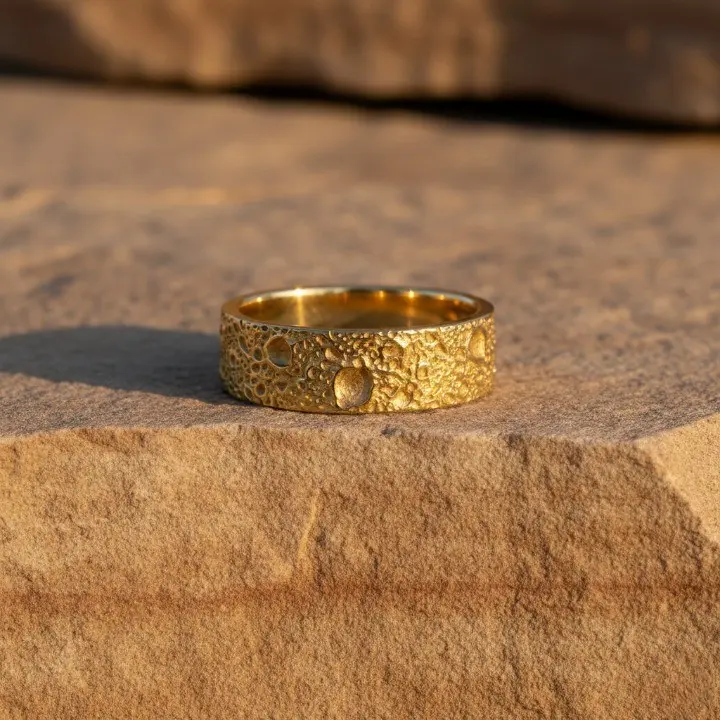
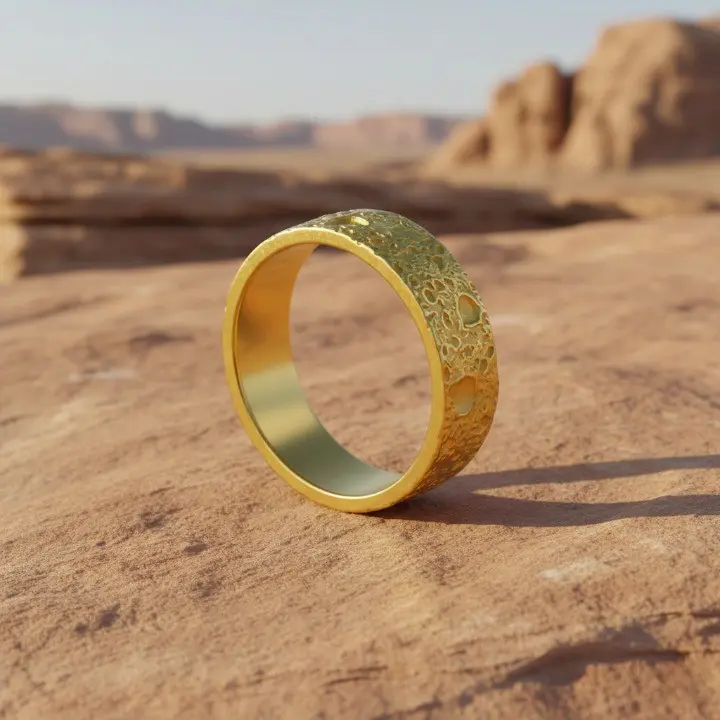
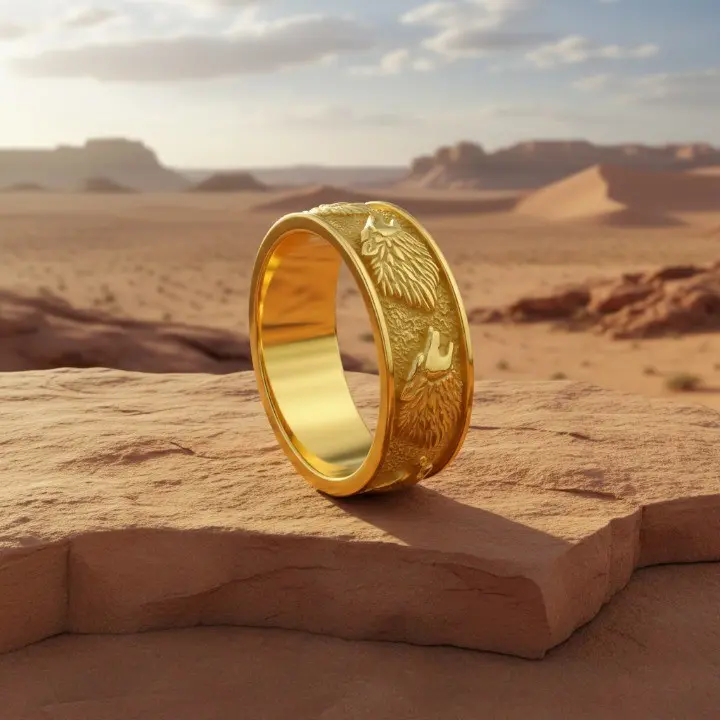
Metals of the Nile & Sun: Crafted in 24K Gold Vermeil to reflect the imperishable flesh of the gods, or in Oxidized Sterling Silver, echoing the revered artifacts discovered in ancient tombs.
7. Frequently Asked Questions (FAQ)
-
Q: What is the difference between the Eye of Horus and the Eye of Ra?
A: They are closely related but distinct. The Eye of Horus (left, lunar) is protective, healing, and restorative. The Eye of Ra (right, solar) is an extension of the sun god's power, often associated with his fierce, destructive aspect used against enemies. -
Q: Which way should the Eye of Horus face for protection?
A: Traditionally, the single Eye of Horus amulet is worn or depicted facing forward, as if watching over the wearer. In paired depictions, the right eye faces right, and the left eye faces left.
8. Curated Bibliography for Seekers
-
The Complete Gods and Goddesses of Ancient Egypt by Richard H. Wilkinson
-
Symbol & Magic in Egyptian Art by Richard H. Wilkinson
-
The Myth of the Eternal Return by Mircea Eliade (for cyclical restoration themes)
-5-560x560.png)
-1-560x560.png)
-7-560x560.png)
-6-560x560.png)
-1-560x560.png)
-2-560x560.png)