



The Hamsa (Hand of Fatima)
The Hamsa (Hand of Fatima): The Ultimate Guide to the Universal Symbol of Protection
1. Executive Summary: The Apotropaic Hand
The Hamsa (Arabic: خمسة, lit. "five"), also revered as the Hand of Fatima in Islam and the Hand of Miriam in Judaism, is one of the world's oldest and most universal talismans. Depicting a symmetrical hand with an eye in its palm, it is a supreme apotropaic (evil-averting) amulet. It represents divine protection, blessings, power, and strength, serving as a spiritual shield against the "evil eye" (al-ayn in Arabic, ayin ha'ra in Hebrew) and all forms of negative energy. In contemporary sacred jewelry, it is a powerful statement of faith, heritage, and conscious safeguarding.
2. Etymology and Origins: An Amulet of Abrahamic Sisters
The Hamsa's lineage is deeply intertwined with the Abrahamic faiths and pre-existing pagan traditions of the Mediterranean and Middle East.
-
Islamic Tradition (The Hand of Fatima): Named after Fatima al-Zahra, the beloved daughter of the Prophet Muhammad. The five fingers symbolize the Five Pillars of Islam. It is a symbol of faith, patience, and the protective, nourishing hand of the divine feminine.
-
Jewish Tradition (The Hand of Miriam): Associated with Miriam, the sister of Moses and Aaron. The five fingers are linked to the Five Books of the Torah. It represents God's hand, divine protection during the Exodus, and is a common symbol in Kabbalah.
-
Ancient Precursors: The use of hand symbols for protection predates monotheism, found in ancient Mesopotamian and Carthaginian artifacts, and in the hand of the Phoenician goddess Tanit, demonstrating its status as a primordial archetype.
3. Cross-Cultural Symbology: A Tapestry of Protection
While its strongest associations are with Islam and Judaism, the Hamsa's protective motif resonates globally.
-
Christianity & the Mediterranean: Known as the "Hand of Mary" in some Christian contexts, it shares function with the figa gesture and the cornicello (Italian horn) in warding off the malocchio.
-
Buddhist & Hindu Mudras: The open, blessing hand posture (Abhaya Mudra) shares formal and functional similarities, representing fearlessness, protection, and the dispensing of grace.
-
Modern Secular Context: Today, it transcends religious boundaries as a widely recognized symbol of peace, cultural coexistence, and spiritual safeguarding in a broad sense.
4. Psychological Perspective: The Hand as a Container & Boundary
Beyond its religious significance, the Hamsa functions as a potent psychological symbol.
-
The Containing Hand: In object relations theory, the hand can symbolize the "holding environment"—a safe, containing space that manages anxiety and wards off psychic intrusions (the "evil eye" as envy or negativity).
-
The All-Seeing Eye: The central eye represents heightened awareness, intuition, and the ability to perceive true intentions. It symbolizes the conscious mind's vigilance against subconscious fears or external malice.
-
Symbol of Agency & Strength: The hand is an instrument of action. Wearing a Hamsa can be an affirmation of one's own power to shape reality, set boundaries, and actively deflect adversity.
5. Symbolic Anatomy: Decoding the Sacred Hand
Every element of the Hamsa is rich with layered meaning.
-
The Symmetrical Hand: Its balanced, often mirrored design (two symmetrical thumbs) signifies harmony, the union of opposites, and wholeness. It is considered more powerful than a realistic hand.
-
The Central Eye: The unwavering "watchful eye" is the core of its apotropaic function. It stares back at negative gazes, neutralizing their power. It is an eye that both sees and protects.
-
The Five Fingers: Universally represent the five senses, grounding spiritual protection in physical experience. In mystical traditions, they guard against the "five poisons" or channel the "five blessings."
-
Downward vs. Upward Orientation: A downward-pointing Hamsa is most common, associated with receiving abundance, blessing, and protection. An upward-pointing Hamsa is rarer and linked to deflecting evil more aggressively.
6. The Talisman.jewelry Interpretation
We honor the Hamsa's profound legacy through masterful craftsmanship that bridges ancient amulet and modern masterpiece.
-
The Scale of Sanctuary: We offer the Hamsa in three distinct diameters—15mm (The Subtle Seed), 22mm (The Balanced Path), and 28mm (The Ancient Guardian)—to resonate with personal presence and intention, from discreet daily wear to a bold statement of power.
-
The Eye of Presence: Our artisans give primacy to the central eye, meticulously setting it with ethically sourced stones: Lapis Lazuli for cosmic truth and wisdom, Turquoise for healing and direct connection, or Black Onyx for powerful grounding and absorption of negativity.
-
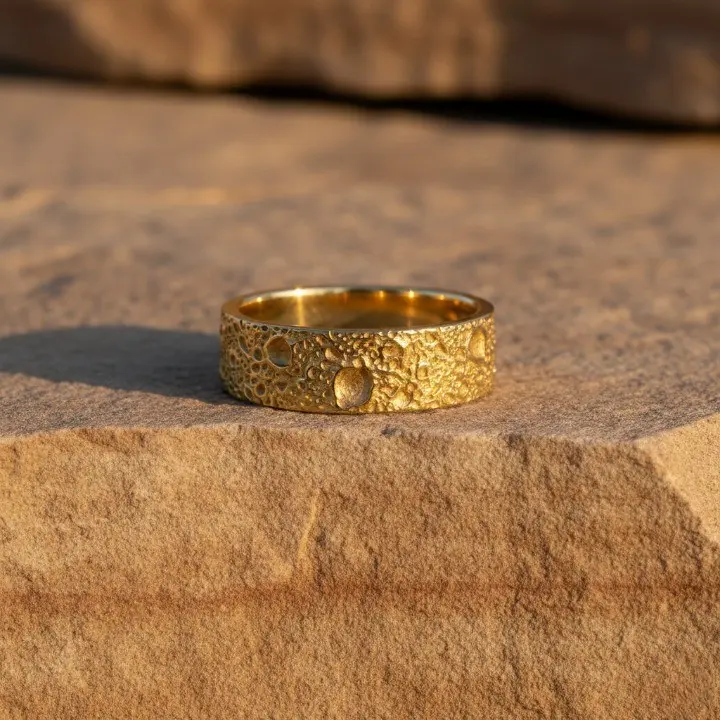
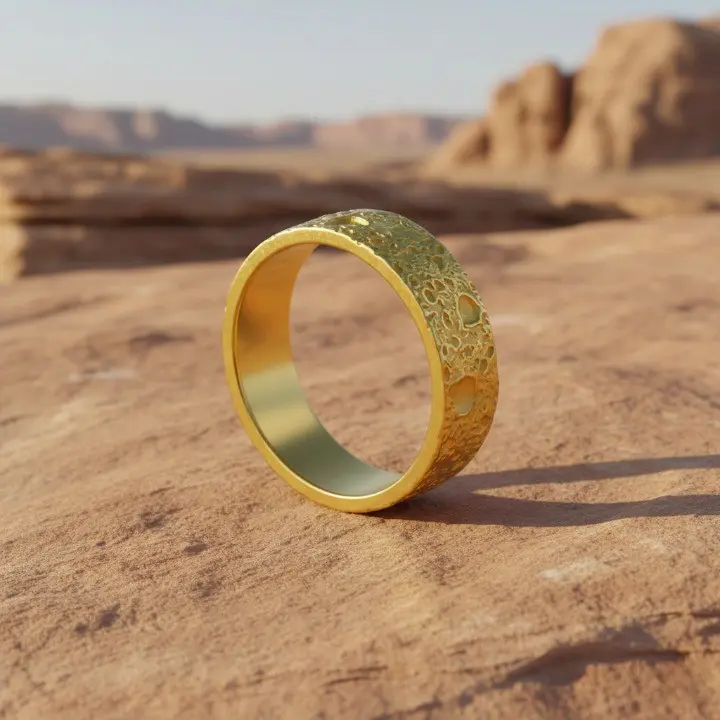
Metals of Tradition & Power: Crafted in 24K Gold Vermeil to invoke divine light, eternal value, and solar majesty, or in Oxidized Sterling Silver, echoing ancient, protective relics and the depth of lunar intuition.
7. Frequently Asked Questions (FAQ)
-
Q: Can anyone wear a Hamsa, regardless of faith?
A: Absolutely. While rooted in specific traditions, the Hamsa has evolved into a universal cultural symbol of protection and good fortune. Intent is paramount. It is worn respectfully by people of all backgrounds as a talisman for positivity and safeguarding. -
Q: Which way should the Hamsa hand face?
A: Both directions are valid. Fingers down is the traditional and most common orientation, symbolizing openness to receive blessings, grace, and abundance from the divine. Fingers up is less common and is sometimes interpreted as a more assertive stance to block negativity. -
Q: Is the Hamsa the same as the "evil eye"?
A: No, they are distinct but complementary. The "evil eye" refers to the superstitious concept of a malevolent gaze causing harm. The Hamsa is a protective amulet designed specifically to ward off the evil eye. Often, the Hamsa incorporates an eye symbol within it to enhance its defensive power.
8. Curated Bibliography for Seekers
-
A History of Amulets in Ten Objects by Roberta Gilchrist (for a scholarly, cross-cultural view).
-
The Encyclopedia of Jewish Symbols by Ellen Frankel and Betsy Platkin Teutsch.
-
Symbols of Islam by Malek Chebel.