





Subject Name: The Third Eye
1. Basic Information
- Subject Name: The Third Eye
- Core Tonality: Occultist, Archeological, Scholarly, and Aesthetic.
2. Encyclopedic Content (English Version)
1. Core Summary
The Third Eye, often referred to as the "Eye of Providence" or the "Gateway to Intuition," serves as the ultimate symbol of humanity's capacity to transcend sensory limitations and perceive the fundamental truths of the cosmos. Within the aesthetic philosophy of Talisman.jewelry, this symbol is not merely a biological reference to the pineal gland, but a visual manifestation of the "Awakened Will." It represents a leap from the material realm to the spiritual dimension—where the circular eye denotes the eternal gaze of the universe, and the radiating light symbolizes the piercing of mundane illusions by divine wisdom.
2. Historical Origins: From the Eye of Horus to Pineal Alchemy
The evolution of the Third Eye symbol is a chronicle of humanity’s search for the "Inner Light":
- Ancient Egyptian Civilization: It manifested as the Eye of Horus (Wedjat), representing healing, protection, and the discernment of truth. Archeological evidence suggests that the Eye's geometric proportions mirrored the anatomical structures of the thalamus and pineal gland.
- Hindu and Buddhist Traditions: Known as the "Eye of Shiva" or the "Urna", located at the Ajna Chakra (the brow center). It acts as the fulcrum between worldly desires and transcendent gnosis.
- Western Occult Tradition: In Hermeticism and Alchemical manuscripts, it evolved into the "Eye of Providence." The 17th-century philosopher Descartes described the pineal gland as the "principal seat of the soul," the transducer between corporeal energy and the etheric field.
3. Cross-Cultural Comparison: Spiritual Awakening and Eastern Philosophy
The Third Eye resonates deeply with the philosophical tenets of the East, transcending its Western occult interpretations:
- The Concept of "Unity of Heaven and Humanity": Traditional Chinese wisdom emphasizes that "what the eyes see is appearance; what the heart sees is truth." The Third Eye is interpreted as the physical manifestation of the "Mind's Eye" (Xin Yan). It embodies the Daoist state of "Xu Shi Sheng Bai" (the void generating white light)—suggesting that when external senses are withdrawn, the inner light of wisdom naturally emerges.
- Local Interpretation (Enlightenment and Dotting the Pupils): In Eastern ritual aesthetics, "dotting the pupils" signifies the bestowal of a soul. We interpret the Third Eye as the product of Yin-Yang harmony: where the left eye represents the Sun (Yang) and the right the Moon (Yin), the Third Eye is the "Taiji Point," the absolute balance that sees through duality and returns to the Middle Way.
4. Depth Interpretation: Jungian Psychology and the Gaze of the "Self"
According to C.G. Jung’s Analytical Psychology, the Third Eye is an archetype of "Expanded Consciousness":
- The Path of Individuation: The Third Eye represents the transition from the "Ego" to the "Self." It "opens" psychologically when an individual ceases to look solely outward at the material world and turns their gaze inward toward the shadows of the collective unconscious.
- The Integrating Image: Jung viewed such symbols as markers of psychic integration. It represents the establishment of an "Internal Observer," allowing the wearer to observe their life’s narrative from a sovereign, objective, and divine perspective, detached from the fluctuations of emotion.
5. Brand Craftsmanship: Metaphors of Material and Pendant
At Talisman.jewelry, we breathe a material soul into the Third Eye through archeological-grade craftsmanship:
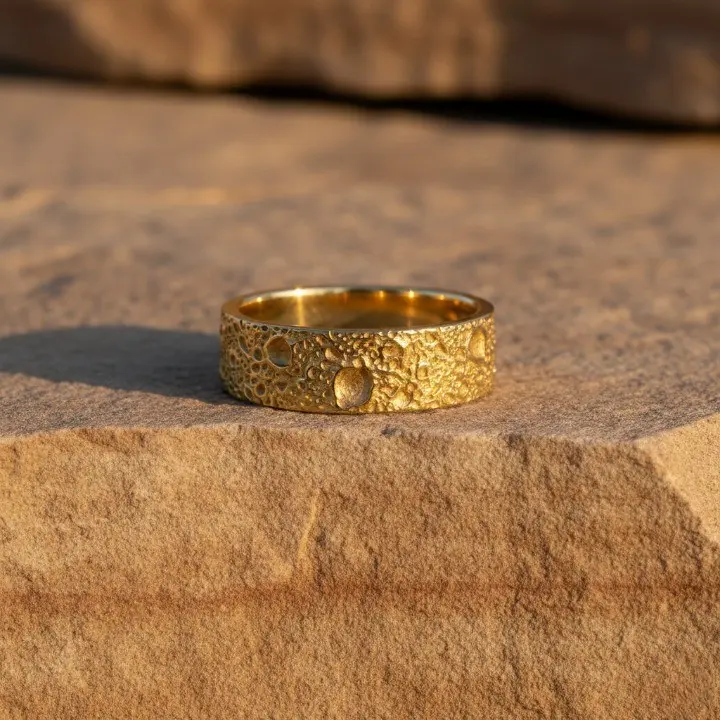
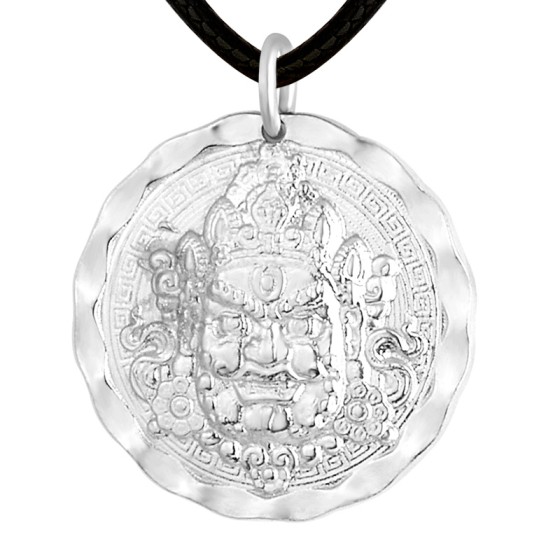
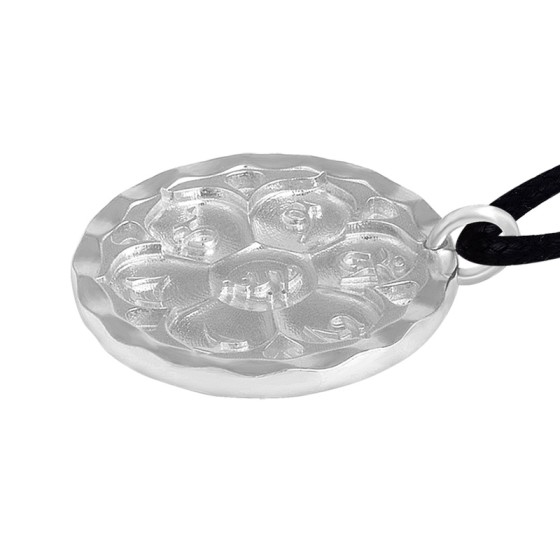
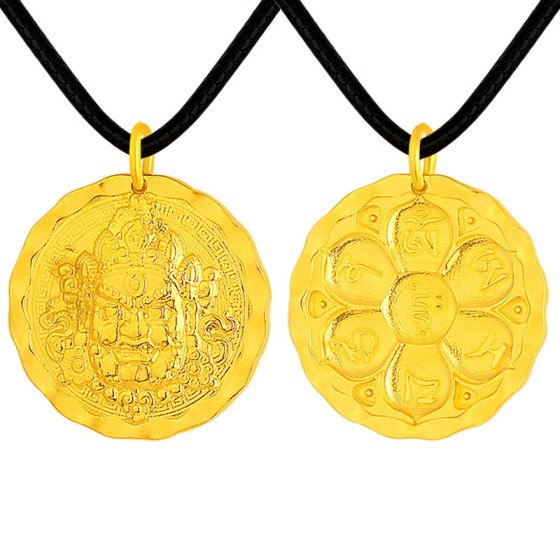
- Archeological Forging: Our pendants feature hand-hammered textures and lost-wax casting, avoiding industrial smoothness to simulate the weathered grit of excavated artifacts. This symbolizes that intuition is not a modern construct but an ancient heritage embedded in our DNA.
- Alchemical Materials: We utilize oxidized 925 Sterling Silver or Ancient 18K Gold. The deep shadows created by oxidation enhance the "cavernous" depth of the pupil, a metaphor for the profound unconscious; a central inlay of Lapis Lazuli or a Lab-Grown Diamond represents the spiritual spark flickering within the pineal gland.
- Pendant Placement: Worn over the heart (just above the Heart Chakra), it creates a resonance field of "Mind-Heart Unity," reminding the wearer that true vision must be rooted in inner authenticity.
6. FAQ
- Q: Is there any danger in "opening" the Third Eye?
- A: Within the context of Talisman jewelry, the symbol serves as a "Totem of Awareness." It is not a forceful activation of psychic faculties but a reminder to maintain clarity and introspection, shielding the mind from external distortions.
- Q: What are the practical benefits of wearing this symbol?
- A: It functions as a "Cognitive Anchor." When facing complex decisions, touching the pendant provides tactile feedback that engages the subconscious, encouraging the wearer to view the situation from a "higher perspective" and enhancing intuitive accuracy.